

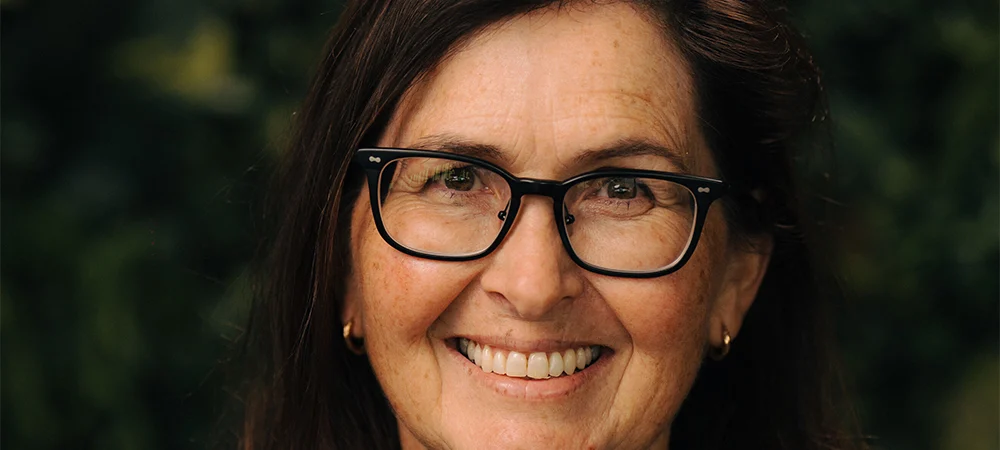
Silverfin is a cloud-first SaaS platform that transforms accounting processes, helping firms run efficiently today and in the future. Founded in Belgium in 2013 and acquired by Visma in 2023, Silverfin serves over 900 leading accounting firms across 16 countries. Lisa Miles-Heal, CEO at Silverfin, discusses her atypical journey to becoming a tech CEO.
Describe your current job role
I’m the CEO of Silverfin, a global FinTech platform transforming the way accountants work. My role is about setting direction, creating clarity and ensuring we’re focused on the right things to deliver on our strategy. That includes aligning our product and go-to-market teams, creating an environment where our people can thrive and making sure we’re listening closely to our customers.
A big part of my job is change leadership; helping the business evolve at pace without causing chaos. I often describe it as building the bridge while walking on it. At Silverfin, we’re scaling across markets, investing in AI and doubling down on our platform capabilities, so my job is equal parts strategy, storytelling and execution oversight. And while I don’t write code, I work closely with those who do – bringing a ‘specialist generalist’ mindset to connect the dots across product, people and performance.
What would you describe as your most memorable achievement?
It’s hard to pick one, but leading Silverfin through its acquisition by Visma stands out. Not because of the transaction itself, though it was a milestone, but because of what it represented: the ability to amplify the work of our founders and early leadership team to develop Silverfin into a sustainable, high-impact business with strong fundamentals. We balanced growth with profitability, and in doing so, attracted a strategic partner that truly understands our vision.
Personally, it was also an affirmation that you don’t have to fit a traditional mould to be a successful CEO. I don’t have an MBA, I’m often wearing sneakers and I’ve taken a non-linear path to get here. But I’ve built my career on transparency, grit and a belief that if you keep focusing on value and people, good things happen.
What style of management philosophy do you employ with your current position?
I lead with authenticity, clarity and a healthy dose of pragmatism. My approach is grounded in three things: creating a clear sense of direction, enabling people to do great work and constantly communicating the ‘why’ behind what we’re doing.
I believe great leaders balance empowerment with accountability. I aim to create the conditions for others to succeed, whether that’s through coaching, setting priorities or removing blockers. I’m also big on transparency. People don’t need perfection from their leaders; they need connection. At Silverfin, we talk openly about where we’re strong, where we’re stretched and what success looks like together.
Leadership, for me, is about being honest, authentic and consistent. Your people shouldn’t be wasting mental energy trying to figure out what you’re thinking, they should be able to rely on you being ‘real’ and advocating for them.
What do you currently identify as the major areas of investment in your industry?
AI is clearly the headline, but it’s only one part of a broader Digital Transformation underway in accounting. We’re seeing major investment in platforms that help firms reduce inefficiencies, standardise workflows and unlock better insights from data.
There’s also growing demand for technology that helps address the talent crunch. Automation isn’t just about efficiency; it’s about freeing up skilled people to focus on higher-value advisory work. Accounting firms are investing in technology that improves employee experience, helps retain top talent and makes onboarding new staff easier.
Beyond that, integration and interoperability remain big areas of focus. Solutions that play nicely across ecosystems and reduce the burden of siloed systems will continue to win. That’s one reason why Silverfin’s open architecture has been such a differentiator – we don’t force firms to rip and replace. Accounting firms having access to data and being able to leverage this to create more value – seamlessly and safely is going to be a big fundamental in this AI age.
If you could go back and change one career decision, what would it be?
Honestly, I wouldn’t change much. Each decision, even the tough ones, taught me something. But if I had to pick one, I’d have invested earlier in understanding the key metrics that drive business success.
Earlier in my career, I relied more on intuition and experience, which served me well to a point. But over time I learned that data clarity is a superpower. Whether it’s employee engagement, NPS or EBITDA, having a handle on the right numbers helps you focus and make better decisions.
So, if I could go back, I’d accelerate that shift to being more metrics oriented. It’s not just about the numbers, it’s about building a shared language for focus, alignment and growth.
What advice would you offer somebody aspiring to obtain a C-level position in your industry?
Own your uniqueness. The path to the C-suite isn’t linear, and it’s certainly not one-size-fits-all. The skills that got you here, whether it’s empathy, resilience or an eye for detail, will continue to serve you, even if they don’t look like what you think a ‘typical’ executive needs.
Second, stay curious. Tech is constantly evolving, and the best leaders are the ones who keep asking why, even when they’re at the top. You don’t need to be the smartest person in the room, you need to be the one willing to learn, listen and lead with purpose.
Lastly, surround yourself with people who stretch you and support you. No one gets to the top alone. Find mentors, build peer relationships and send the elevator back down when you can.
What behaviour or personality trait do you most attribute your success to and why?
Curiosity. I’ve built my career on constantly asking ‘why’ and never being afraid to go deep into unfamiliar territory. It’s what led me from customer ops into tech, from business analysis into leadership, and from local markets to a global remit.
That curiosity has helped me understand the interplay between people, process and product. It’s also kept me humble because there’s always more to learn, and the best solutions often come from unexpected places.
Paired with that, I’d say resilience. I’ve had setbacks, like everyone, but I’ve learned to treat them as part of the process rather than the end of the story. When you lead with curiosity and bounce back quickly, it’s amazing what doors start to open.
What’s your go-to productivity trick?
I religiously use checklists and ensure everything I need to do in the multiple streams of my life are tracked via prioritised lists. It’s something that’s very simple and helps me keep on top of everything I’m juggling. The ‘checking off’ ritual when I complete a task is an endorphin hit that keeps me motivated. It’s a habit I started a long time ago, using beautiful paper diaries, and has evolved into me using other (more digital!) formats too. I am also finding Notebook LM a useful tool that condenses and summarises long reports into an audio format. This is a timesaving hack, which means I’m able to multitask by listening while travelling or running, for instance.
What changes to your job role have you seen in the last year and how do you see these developing in the next 12 months?
The biggest shift has been navigating scale while staying nimble. Post-acquisition, Silverfin is now part of a much larger ecosystem (Visma), so my role has evolved to balance autonomy with alignment. That means I’m spending more time on integration strategy, talent development at scale and ensuring our innovation roadmap continues to reflect customer needs.
In the next 12 months, I see even more focus on platform capability and AI enablement –both in how we serve customers and how we operate internally. My role will be about ensuring we build at pace, maintain strong culture and help our people thrive as the business scales.

